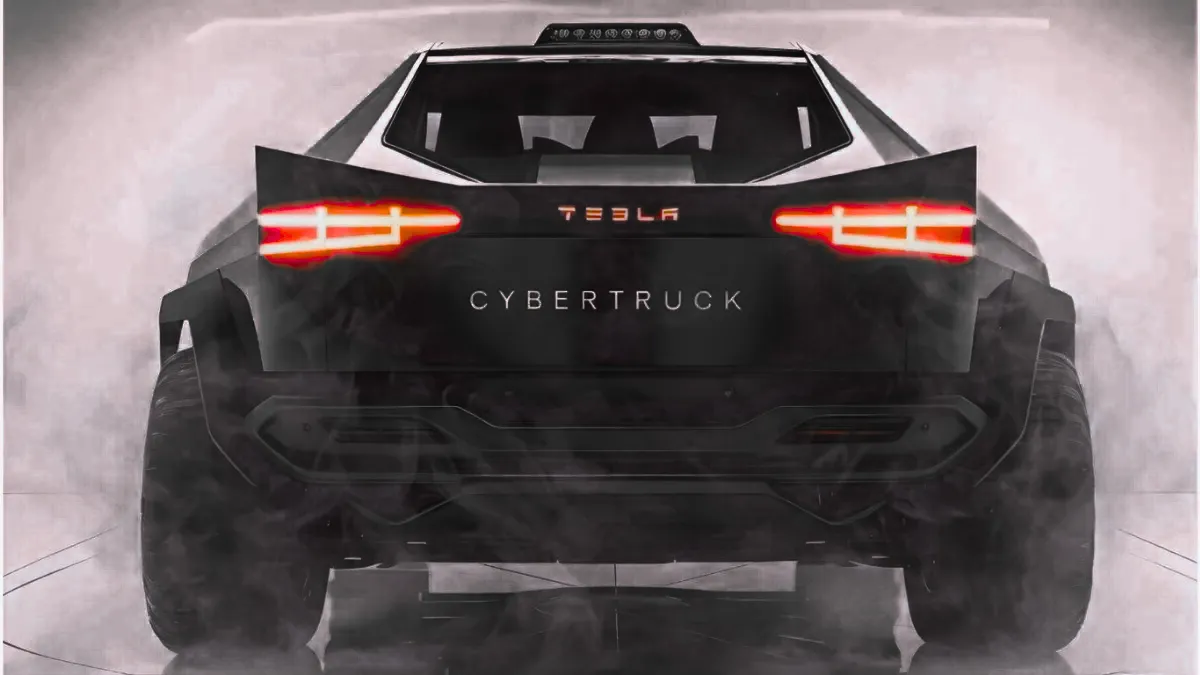
Tesla’s long anticipated electric pickup has finally stepped into the spotlight, challenging every traditional idea of what a pickup truck should look like and how it should perform. With sharp angles, a futuristic stainless steel body, and all electric power, the vehicle signals a major shift in the pickup segment that has long been dominated by combustion engines.
A Design That Defies Pickup Truck Norms
The most striking element of Tesla’s electric pickup is its radical exterior. Instead of curves and chrome, the truck features a geometric, wedge shaped form built around a rigid stainless steel exoskeleton. This design is intended not just for looks but also for durability, dent resistance, and long term strength.
The unconventional appearance has sparked debate, but it clearly sets the vehicle apart from every other pickup on the road.
Clean Electric Power Meets Utility Performance
Unlike traditional pickups that rely on large engines, Tesla’s truck is fully electric. Multiple motor configurations deliver instant torque, allowing strong acceleration even when carrying heavy loads. Electric power also enables smoother towing performance and quiet operation, making it suitable for both work and daily driving.
Zero tailpipe emissions position the truck as a cleaner alternative in a segment known for high fuel consumption.
Next Generation Performance Capabilities
Tesla’s electric pickup is designed to prove that sustainability does not require sacrificing power. Rapid acceleration, advanced traction control, and adjustable air suspension allow it to handle highways, construction sites, and off road terrain with equal confidence.
The low center of gravity created by the battery pack enhances stability, especially when towing or driving on uneven surfaces.
Technology Driven Interior Experience
Inside, the truck reflects Tesla’s minimalist philosophy. A large central touchscreen controls nearly all vehicle functions, from navigation to suspension height. Over the air software updates ensure that performance, features, and efficiency can improve over time without visiting a service center.
Advanced driver assistance features are integrated to support safer long distance driving.
Key Specifications Overview
| Feature | Details |
|---|---|
| Vehicle Type | All electric pickup truck |
| Body Structure | Stainless steel exoskeleton |
| Powertrain | Dual or tri motor electric setup |
| Acceleration | Sports car level for top variant |
| Towing Capacity | Designed for heavy duty hauling |
| Emissions | Zero tailpipe emissions |
Specifications may vary by configuration and market.
Who This Electric Pickup Is Designed For
Tesla’s pickup targets a wide audience. It appeals to tech focused buyers, outdoor enthusiasts, and professionals who want utility without fuel dependency. It also attracts drivers who want a bold statement vehicle that reflects innovation rather than tradition.
For many, it represents both a work tool and a lifestyle product.
Impact on the Pickup Truck Market
The arrival of Tesla’s electric pickup puts pressure on established manufacturers to rethink design, power, and sustainability. As electric trucks gain traction, buyers may begin expecting instant torque, lower running costs, and software driven features as standard.
This shift could accelerate the broader transition toward electric commercial and utility vehicles.
What Sets Tesla Apart in This Segment
Tesla’s strength lies in combining electric performance with software integration and charging infrastructure. The company’s experience with batteries, motors, and vehicle software gives it a unique advantage as pickups transition away from fuel based platforms.
The result is a truck that behaves more like a high tech device than a conventional vehicle.
Conclusion:
Tesla’s electric pickup marks a bold departure from traditional truck design and engineering. With its radical look, clean electric power, and next generation performance capabilities, it challenges long held assumptions about what a pickup should be. Whether embraced or debated, it represents a significant step toward a new era of utility vehicles driven by innovation.
Disclaimer: This article is for informational purposes only. Specifications, features, and performance figures may vary based on configuration, region, and future updates. Readers should refer to official manufacturer information for final details.